
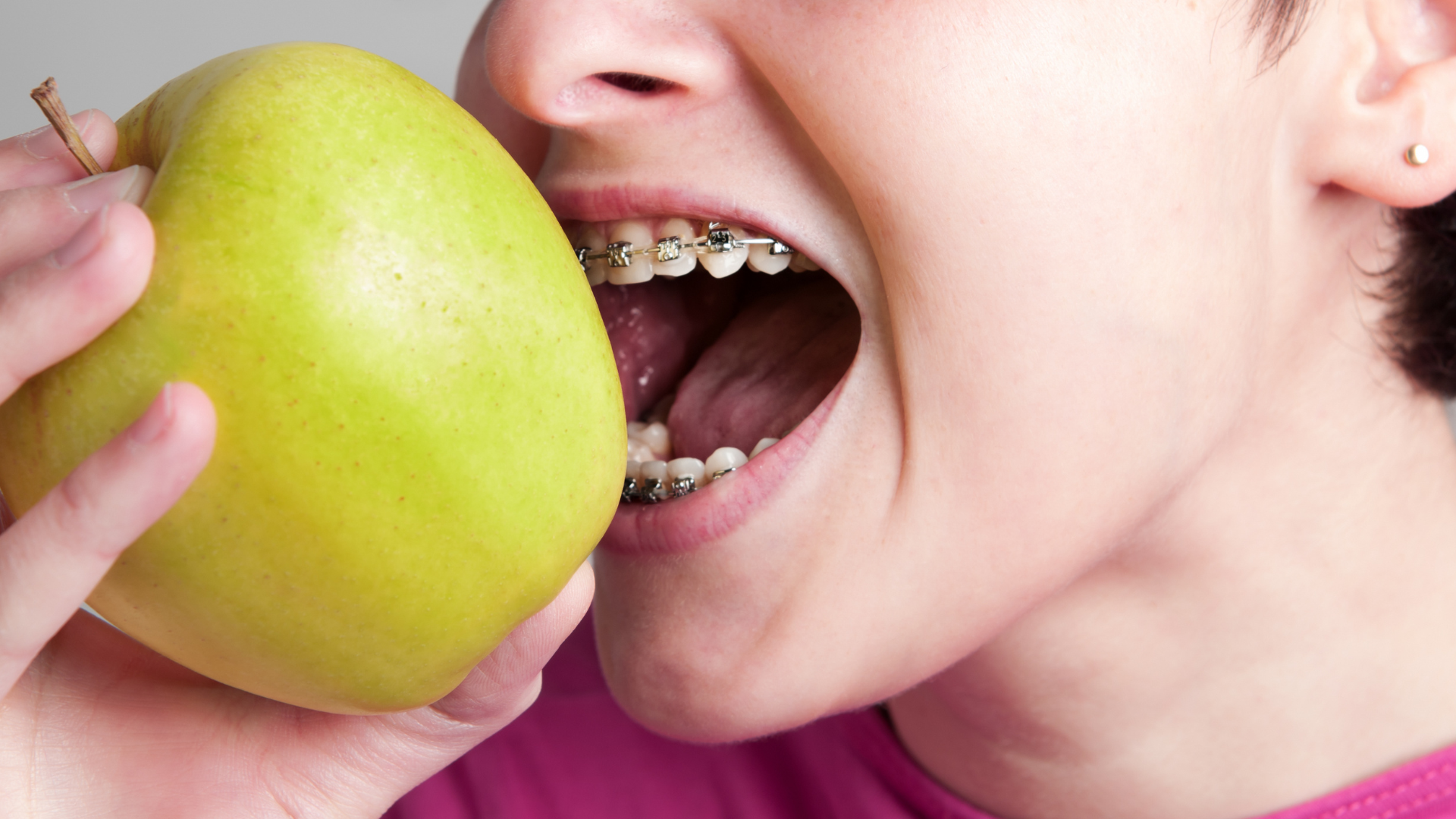
One of the most common questions for patients who are getting orthodontic treatment is “What can I eat?” It can be daunting to think about having to change the way you eat (or for parents, to enforce dietary restrictions) for an extended period of time. Today’s blog will lay out the Dos and Don’ts of eating with braces or clear aligners, and show you that with a few tips and tricks, it’s actually quite easy to manage.
Different Guidelines for Different Treatments
The two most common types of treatments today for adults and teens are braces and clear aligners, and each comes with its own set of rules for what to eat and drink.
We’ll break down the different recommendations based on the type of treatment you or your child is getting:
Clear Aligners
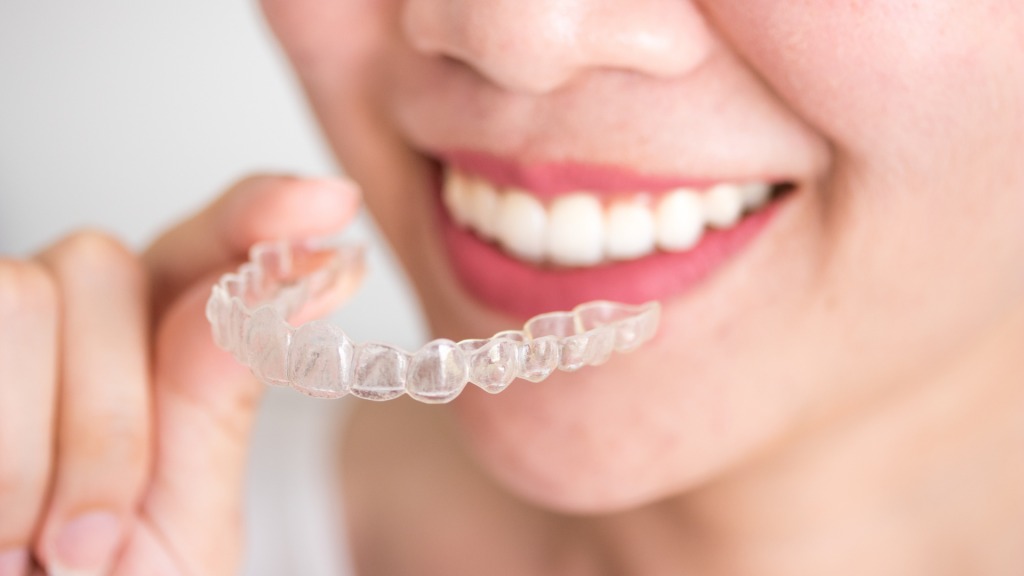
One of the reasons that people choose clear aligner treatment for themselves or for their child is because they are removable. Most patients have to wear their aligners 20-22 hours a day, but they are fairly easy to take out when it’s time to eat. That means that clear aligner patients have no real dietary restrictions during treatment, except for a few important guidelines.
Eating with Aligners
- Always remove and store aligners in their case during meals.
- Don’t wrap your aligners in a napkin, they might get thrown in the trash.
- Brush and floss your teeth before putting your aligners back in.
- Remove your aligners before drinking any beverages other than water (including coffee, coke, wine, etc).
- If you’re taking your aligners out too often, you might need to cut back on non-water beverages to make sure you’re wearing your aligners the required 20-22 hours per day.
Eating with Braces

Whether you have traditional metal brackets, 3D-printed brackets, ceramic braces, or lingual braces, the guidelines are the same:
- As a general rule, avoid sticky, hard, or chewy food.
- At the beginning of treatment and when you go in for adjustments, you might want to opt for soft foods like mashed potatoes and pudding if you’re feeling some discomfort.
- When in doubt, cut food into smaller pieces.
- Chew carefully and slowly. If you’re in a hurry you’ll bite down harder and it’s easier for food to get stuck in your braces or teeth or dislodge a bracket.
- If you can’t brush after eating, rinse your mouth thoroughly and carefully with water.
- Drink plenty of water. This helps rid your mouth of food and acidic residues that can damage your enamel.
- Carry a braces-cleaning kit everywhere you go. This should include the following:
- Toothbrush
- Dental floss
- Proxabrush (small brushes that fit between your teeth and underneath wires)
- Water flosser (if you have one)
- Orthodontic wax for any wires that might be causing discomfort

Foods to Avoid
- Popcorn
- Hard Candy
- Sticky Candy
- Nuts
- Whole crunchy vegetables and fruits
- Crispy or hard pizza crust
- Bagels
- Ice
- Crunchy chips or pretzels
- Chewy cuts of meat
- Corn on the cob

Braces-friendly foods

- Mashed potatoes
- Cooked vegetables and fruits (or raw ones cut up into small pieces)
- Meat cut into small pieces
- Soups and stews of all kinds
- Bananas
- Oatmeal
- Yogurt
- Cheese
- Scrambled eggs
- Pasta
- Berries
- Pizza (skip the crust if it’s crunchy or hard)
- Ice cream
- Chocolate
- Popsicles

As you can see, the list of braces-friendly foods is long and varied. Most patients find that they’re still able to enjoy almost all of their favorite foods during their treatment. The things that you absolutely have to avoid such as popcorn will taste that much better when you finally finish treatment and can indulge again.
Help Your Child Understand the Why
If you’re a parent and your child is going to have braces or clear aligners, make sure to explain to them why they need to be careful about what they eat. Instead of just saying “Don’t eat this” and “Don’t eat that,” take the time to tell them about what could happen if they’re not careful.

Kids are often smarter than we give them credit for, so if you tell them that a broken bracket or lost aligners could mean more appointments and more treatment time, they’ll feel motivated to be careful about what they eat and drink.
Find a Qualified Orthodontist You Can Trust
In addition to following these guidelines, the best way to ensure great outcomes is to see a great orthodontist. Our member orthodontists are experts in their field who are dedicated to providing their patients with the highest standard of care possible.
Wherever you are in Texas, find an orthodontist near you in our online directory:



0 Comments