

With so many people looking to improve their smile, it’s no surprise how many different treatment options there are out there. We know you don’t have unlimited time or an unlimited budget to pursue different treatments, so you want to make the best decision for your unique needs and get the best bang for your buck. Knowledge is power! Keep reading to learn about the purpose of these different treatments, what they entail, and if they might be right for you.
Dental Implants
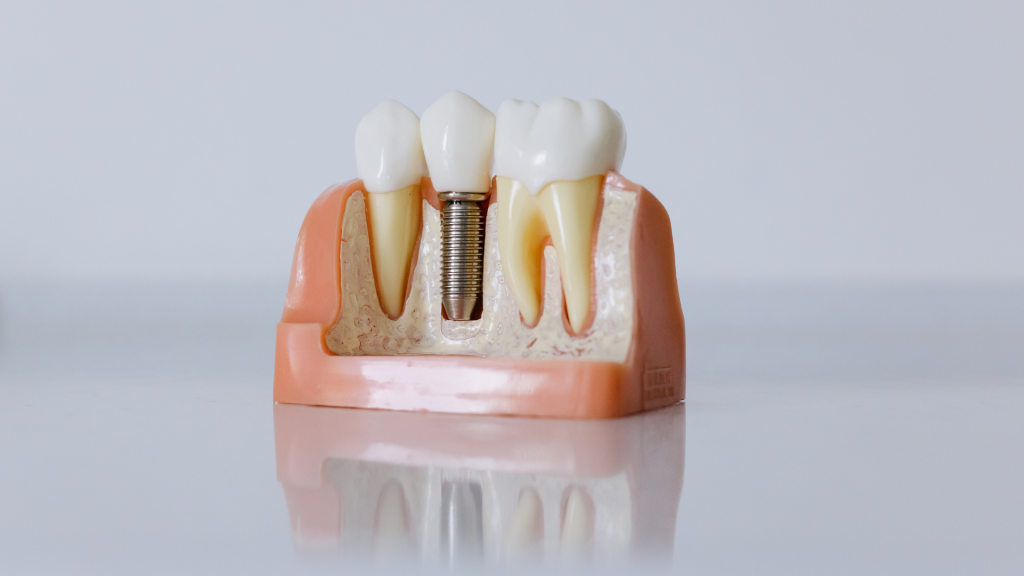
Dental implants are small, threaded posts (titanium or ceramic) that surgically replace missing teeth. With proper care and hygiene, dental implants can last a lifetime. Because dental implants fuse to your jawbone (osseointegration), they are more stable and secure than other tooth replacement options like bridges or dentures.
Getting a Dental Implant
The process for getting a dental implant can involve several specialists, including an oral and maxillofacial surgeon, a periodontist, a prosthodontist (dentist who makes artificial teeth), and an ear, nose, and throat (ENT) specialist.
Dental implant surgery is done with local anesthetic or sedation. The surgeon removes the damaged tooth (if applicable), makes an incision in your gums, makes a hole in your jawbone, places the implant, and closes the incision. Then you’ll wait 3-9 months while the implant fuses to the jawbone. This step is crucial for long-term success of the implant.
Once the implant site is fully healed, the dentist will attach the abutment (the post that connects the implant to the artificial tooth). This procedure may require minor surgery. After the abutment is placed, you’ll need another 2-3 weeks to heal, then the dentist will fit you for permanent or removable artificial teeth.
Who Is Eligible for Dental Implants?
You are a good candidate for implants if you:
- Have one or more missing teeth
- Have good overall oral health
- Have healthy gums and jawbones
- Have a jawbone that has reached full growth
- You don’t smoke or vape or are willing to quit
- You’re committed to great oral hygiene after getting implants
You are not eligible for dental implants if you:
- Have active or untreated gum disease
- Have a bone disorder or an autoimmune disorder (some patients with autoimmune disorders have good success with dental implants. Talk to your doctor about your specific case)
- Have poor oral hygiene or extensive tooth decay
- Have unmanaged diabetes
- Smoke or vape and are unwilling to quit
Can I get orthodontic treatment if I have dental implants?
If you’re thinking about getting orthodontic treatment and dental implants, we recommend getting orthodontic treatment first. That’s because natural teeth move, but implants don’t.
Braces or clear aligners will get your teeth into proper alignment and create the ideal space for the dental implant.
If you already have implants but still want to get orthodontic treatment, talk to your local TAO orthodontist. The process can be complex, but they can likely figure out a plan that works with your implant. Occasionally, orthodontists can use implants as anchors to apply pressure to other teeth that need to move.
Cosmetic Dentistry
Cosmetic dentistry includes treatments such as tooth whitening, veneers, and bonding. These kinds of procedures are fairly quick (1-2 sessions with your dentist). The goal of cosmetic dentistry is to improve the appearance of your teeth and your smile but generally there are no long-term health benefits.
Common Cosmetic Dentistry Treatments
Veneers
What are Veneers?
Dental veneers are thin, tooth-colored shells made from porcelain or ceramic that are placed on top of teeth to cover up gaps, chips, uneven tooth length, and discoloration. Veneers are the most common cosmetic dentistry treatment.
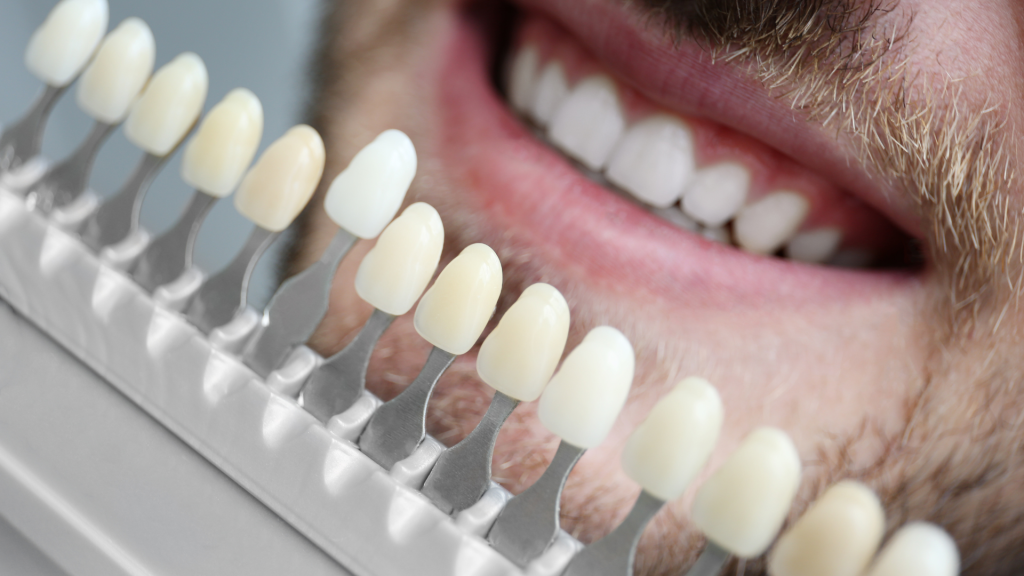
To place veneers, your dentist will remove some of your enamel to make the veneer fit as closely as possible. They will then take impressions of your teeth, make the custom veneer, and glue it to your teeth. Some veneers are permanent and can last 10-15 years with proper care.
No-prep veneers are a newer, thinner option that is glued on top of your teeth and doesn’t involve removing enamel
Bonding
Dental bonding is when your dentist uses a tooth-colored resin to fill in chips, cracks, and gaps in your teeth or to change the shape or appearance of a tooth. Unlike some cosmetic dentistry procedures, dental bonding is reversible.
The procedure is fairly simple and quick, and most people are candidates for dental bonding unless they have untreated gum disease or tooth decay.
Can I get orthodontic treatment if I’ve had a cosmetic dentistry procedure?
Orthodontics and some cosmetic procedures can go hand and hand, as long as your orthodontist and dentist are coordinating treatment.
Many patients get their teeth whitened when they are finished with braces or clear aligner treatment. Most orthodontists recommend that patients wait at least a few weeks after getting braces off to whiten their teeth. Saliva helps remineralize your teeth, so the part of your tooth that was covered by a bracket needs a few weeks to get strong again.
People with veneers can get braces, but the brackets have to be bonded with a special type of adhesive that won’t damage the veneer.
If you’ve had dental bonding, your orthodontist may remove the bonding before treatment if it interferes with their work. If they leave it and brackets are glued to the bonding material, it may come off when you get your brackets off. Ideally, you will do bonding treatment after finishing orthodontic treatment.
Implants, Cosmetic Dentistry, or Orthodontics?
The purpose of all of the treatments we’ve discussed is to improve the appearance and/or health of your smile.
In general, the benefits of cosmetic dentistry are purely aesthetic with no long-term health benefits. In fact, treatments like veneers can be damaging to the long-term health of your teeth if you have enamel removed or if you don’t practice meticulous oral hygiene. If you’re extremely self-conscious about your smile, however, aesthetic improvements could go a long way to boost your self-esteem.
Implants and orthodontics do offer significant long-term health benefits. Implants can help preserve your jawbone and the sunken appearance of your jaw that happens after losing a tooth. They can also help people chew properly (which helps digestion) and have better speech.
Orthodontic treatment, whether it’s braces, clear aligners, or retainers, goes a long way to keeping your teeth and jaw healthy and functional for a lifetime.

Health Benefits of Orthodontic Treatment:
- Reduces risk of cavities and tooth decay
- Well-aligned teeth and jaws make it easier to keep your teeth and gums clean and healthy.
- Improves chewing and digestion
- Chewing is the first step to the digestive process, and one of the most important. If you have a bad bite, it can make proper chewing difficult or even impossible.
- Relieves jaw pain and tension
- A bad bite has a domino effect and can cause muscle tension in your face and neck. Orthodontic treatment puts everything back into alignment and can provide a solution to chronic pain.
- Get better sleep
- Orthodontics can play a key role in reshaping and realigning the jaw to improve airflow, which can help treat sleep disordered breathing.
Have More Questions? Ask Your Expert Texas Orthodontist!
We hope the information in this article has answered some of your questions about cosmetic dentistry, implants, and orthodontics. As always, before undergoing any type of treatment it’s essential to get evaluated by an expert.
Our network of highly-trained, compassionate orthodontists all over the state of Texas is ready to help you start your smile journey.
To find one near you, check out our online directory!
Sources
Cleveland Clinic: Dental Implants


0 Comments