

Summer took ages to arrive, and now it’s almost over! The first official day of fall is around the corner, and kids are heading back to school. That makes now the ideal time to talk about how to care for braces and clear aligners in and out of the classroom.
This is especially important for students who are going back to school for the first time with orthodontic treatment. Your child may feel self-conscious about how they’ll look different with braces. They might also be unsure about how to maintain good hygiene to avoid getting food stuck in their braces or having bad breath with clear aligners.
These simple tips will help you and your child feel prepared and confident for the transition back to school. Here we go!
1. Carry a Basic Care Kit
Your child should have a braces or aligner care kit in their backpack or locker at all times. This kit can help manage any minor issues that may come up during the school day. We recommend keeping the following items in the kit:
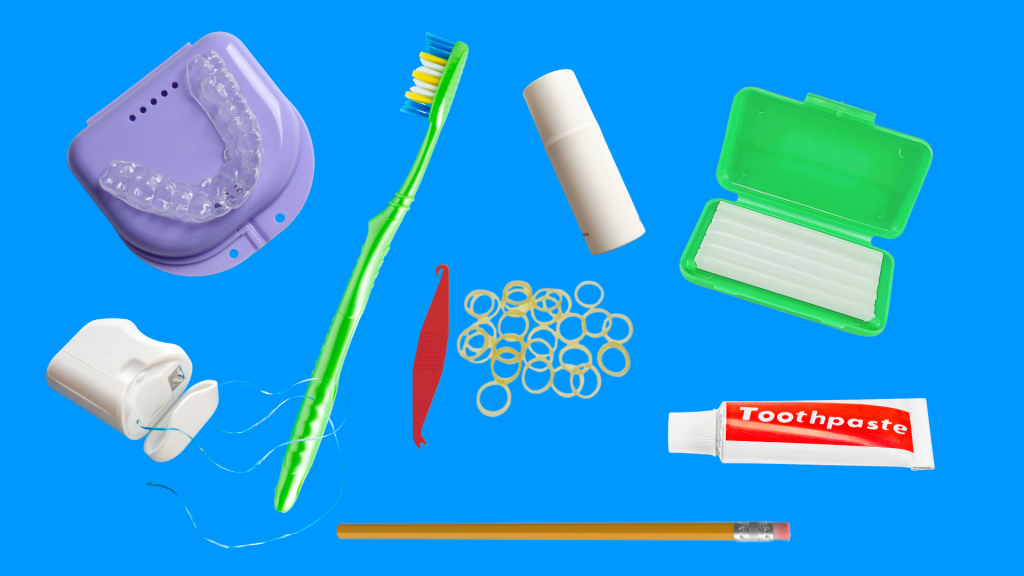
For Braces (metal, ceramic, lingual, or 3D-printed)
- A soft-bristled toothbrush
- Fluoride toothpaste
- Dental floss
- Orthodontic wax
- An unsharpened pencil
- Lip balm
These items are useful in a variety of situations. Because brackets and wires create nooks and crannies where food particles can get stuck, we recommend brushing and flossing after lunch or anytime your child eats. If they don’t have enough time to brush and floss, they should brush their teeth and floss when they get home.
Braces patients may have slight irritation inside the lips, cheeks, and along the gum line. Placing a pea-sized amount of orthodontic wax on the area can relieve irritation.
The eraser end of a pencil can be used to push a loose wire back into place if it is poking the gums or inside of the mouth. Your child can then cover the source of the irritation in orthodontic wax for comfort. .
Dry lips are sometimes exacerbated by braces, so lip balm is a year-round must-have accessory for braces patients.
For Clear Aligners or Retainers
- A soft-bristled toothbrush
- Fluoride toothpaste
- Dental floss
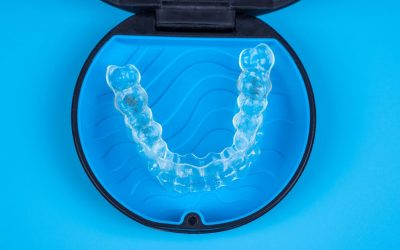
- Clear aligner case
Even though clear aligners are removable, great oral hygiene is still key. If they put their aligners back in after eating without brushing and flossing, they risk plaque buildup, discoloration, and bad breath. If for some reason they aren’t able to brush and floss, at least make sure they rinse their mouth with water.
2. Aligners and Retainers should always be stored in a case
Your child should always remove their aligners when they eat or drink something other than water, then put them back in when they’re done.
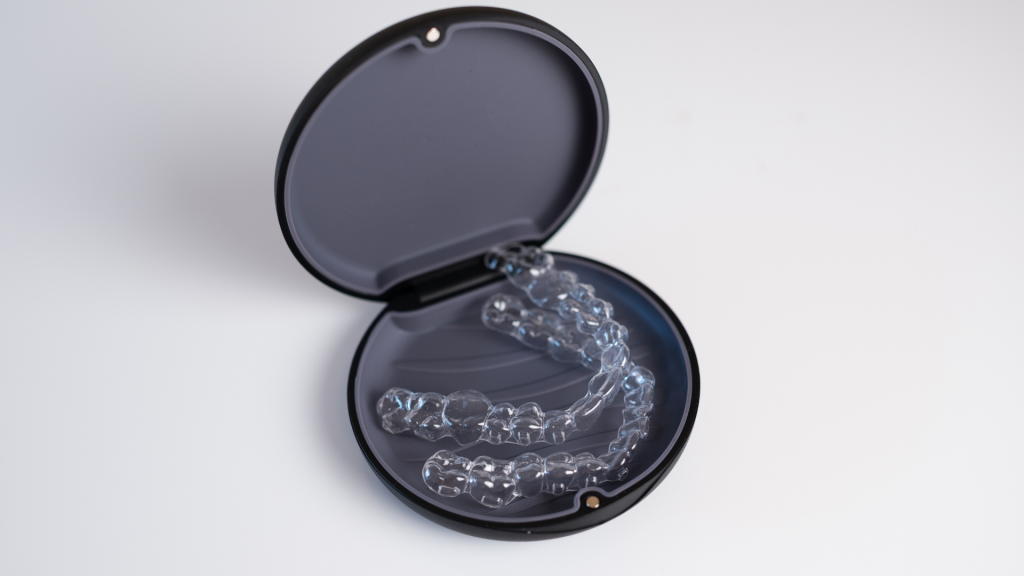
It’s easy (and very common!) for children and teenagers to take their aligners out during lunch, forget to put them in their case, and lose them.
Avoid having to replace aligners and retainers and educate your child about always keeping them in their case when they’re not in their mouths. Personalizing the case in some way can help them remember and feel more motivated to do it.
Coming up with a reward system (30 days without a lost aligner means a movie night with friends) can also be a good motivator.
3. Stick to the Treatment Guidelines with Braces-Friendly Foods
The same criteria apply whether a patient is at school, at home, or somewhere in between. This is true when it comes to food, which can be one of the most challenging aspects of wearing braces, especially for kids.
School might make it even more difficult for kids to find braces-friendly lunches and snacks! When parents are in charge of grocery shopping, managing dietary restrictions at home is simple, but it can be harder if a patient likes school lunches or has regular access to a vending machine.

Check the school’s lunch menu every week for alternatives that are braces-friendly, such as lean meat cut into small pieces, mashed potatoes, spaghetti, mac and cheese, and cooked veggies, to keep orthodontic treatment on track.
Packing a lunch for fussy eaters can sometimes make things easier for both the patient and the parent! If you have a Thermos, pasta, soups, and other soft foods are great options. Sandwiches can be split into smaller portions the night before for easier chewing. Pay special attention to their lunch the day after their appointments as their mouths might be extra sore.
Kids with braces have to avoid pretzels, chips, and some raw fruits and vegetables, but there are still lots of healthy and tasty alternatives. Applesauce, yogurt, cheese strings, and bananas are braces-friendly and keep kids full and satisfied throughout the school day.
4. Water is a Kid’s Best Friend
What your child drinks at school is just as important as what they eat. Drinking water throughout the day keeps kids hydrated and helps wash food particles off their teeth and braces.

They should avoid soda and fruit juice, which can cause discoloration and decay. Your child can have the occasional sweet drink, but make sure they use a metal or paper straw to keep the sugar away from their teeth.
Whether your child has clear aligners or braces, they should always brush and floss after eating or drinking anything besides plain water.
5. Wear a Mouthguard for Sports
We recommend an orthodontic mouthguard for student athletes to protect their braces and their mouth from injury. Orthodontic mouth guards, as well as non-orthodontic variants, are commonly available at large sporting goods retailers.
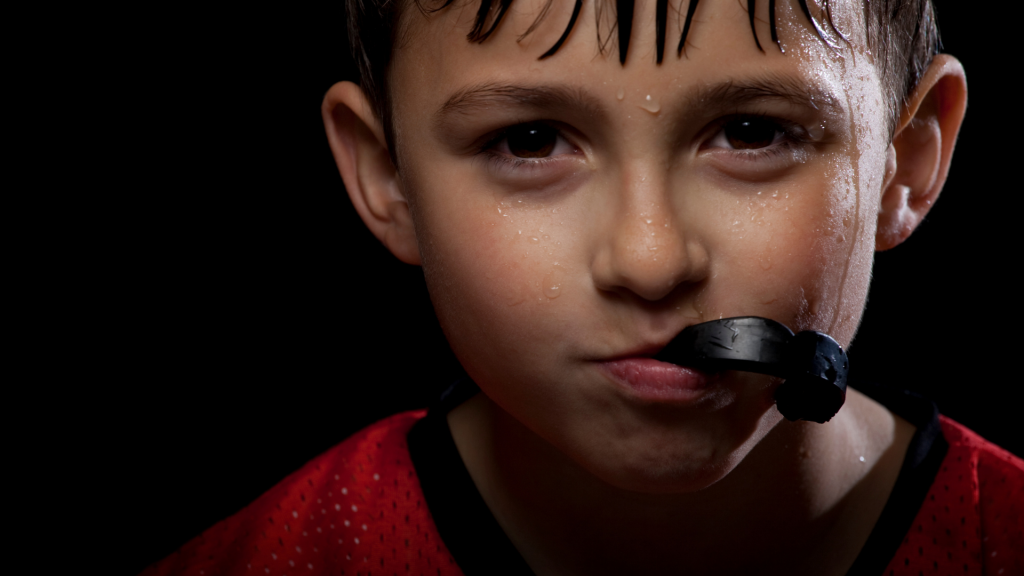
Most orthodontic offices offer mouthguards, so ask your TAO member orthodontist about how to get one for your child.
Have More Questions? Ask Your Expert Texas Orthodontist!
It’s natural for children to be concerned about returning to school with new braces or aligners. The good news is that with a little patience, braces will quickly become a normal part of your child’s daily routine.
If you have more questions or concerns, you can read more on the For Parents section of our website. You can also ask your TAO orthodontist directly, they’re always happy to help!
If you need an orthodontist near you, check out our online directory.


0 Comments